
Gallstones – Symptoms, Causes & Treatment
Common symptoms of gallstones include upper abdominal pain, nausea, bloating, and pain after eating, particularly fatty foods.
Gallstones Specialist Sydney
Dr David Joseph is a specialist Upper GI and laparoscopic surgeon in Sydney with extensive experience treating gallstones, biliary colic and gallbladder disease.
Patients are commonly referred for specialist assessment after an ultrasound confirms gallstones or following recurrent episodes of upper abdominal pain, nausea, bloating or gallbladder attacks.
Consultations are available in Newtown and via Telehealth. Urgent appointments may be available.
What are the symptoms of gallstones?
Many gallstones cause no symptoms and are discovered incidentally, but when symptoms occur they typically include:
upper abdominal pain
pain after eating, especially fatty meals
nausea or bloating
discomfort under the right rib cage
recurrent episodes of pain (biliary colic)
What are gallstones?
Gallstones are the most common cause of gallbladder disease and occur when bile becomes imbalanced, forming solid deposits inside the gallbladder. While many people have no symptoms, gallstones are the most common cause of biliary colic (gallbladder pain). and may lead to complications requiring surgical treatment.
How gallstones form
Gallstones develop when bile — the digestive fluid produced by the liver — becomes imbalanced and forms crystals that gradually harden into stones.
They can range in size from tiny grains to larger stones that fill much of the gallbladder.
Gallstones are the most common cause of gallbladder disease.
How Are Gallstones Diagnosed?
An abdominal ultrasound is the first-line investigation for suspected gallstones and confirms the diagnosis in most patients.
Gallstones are usually diagnosed with:
Abdominal ultrasound
Liver function blood tests
If bile duct stones are suspected, further imaging may be required.
What is the treatment for gallstones?
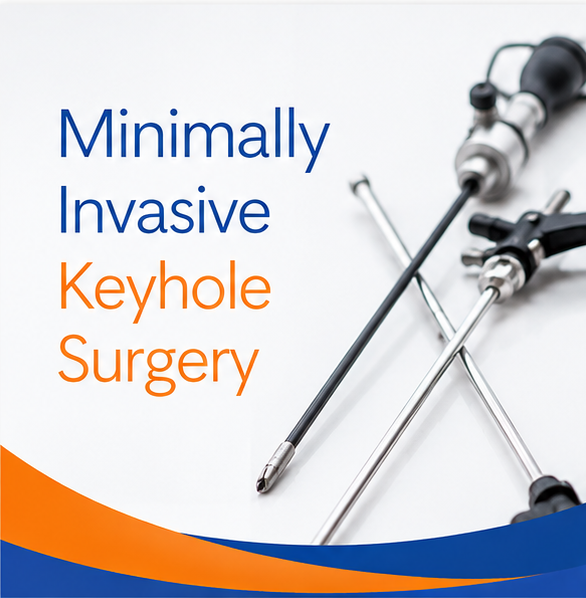
Gallstones do not usually disappear on their own. If they are not causing symptoms, treatment may not be required. However, if gallstones cause pain or complications, gallbladder removal (cholecystectomy) is the definitive treatment and is commonly performed using minimally invasive (keyhole) surgery.
When Should You See A Surgeon For Gallstones?
Some people with gallstones may not require surgery. However, if gallstones begin causing pain, repeated attacks, inflammation or complications, referral to a specialist Upper GI surgeon is recommended.
Specialist assessment is recommended if you have:
Recurrent attacks of upper abdominal pain
Pain after eating, particularly fatty foods
A confirmed ultrasound diagnosis of gallstones
Emergency department presentations related to gallstones
Gallbladder inflammation or infection
Gallstone pancreatitis or bile duct stones
Your GP can arrange an ultrasound and provide a referral for specialist assessment.
What Happens At A Gallstones Consultation?
During your consultation, Dr David Joseph will review your symptoms, ultrasound or scan results, previous episodes of gallbladder pain, and any emergency department or hospital presentations.
If gallstones are causing ongoing symptoms or complications, treatment options including laparoscopic gallbladder removal (cholecystectomy) may be discussed.
Many patients are referred after experiencing:
recurrent gallbladder attacks
pain after eating
emergency department presentations
nausea or bloating associated with gallstones
gallbladder inflammation or infection
Many patients are referred to a specialist Upper GI Surgeon after ultrasound diagnosis of gallstones following emergency department presentation or recurrent pain after eating.
Consultations are available in Newtown and via Telehealth. Urgent appointments are available.
Gallbladder Removal Surgery for Gallstones in Sydney
Gallbladder removal (laparoscopic cholecystectomy) is the most effective treatment for symptomatic gallstones.
Dr David Joseph is an Upper GI and General Surgeon with experience in laparoscopic gallbladder surgery for gallstones, biliary colic and gallbladder disease.
He performs minimally invasive gallstones surgery at leading Sydney private hospitals including:
Consultations are available in Newtown and via Telehealth.

Experiencing gallstone symptoms?
Book a consultation with Dr David Joseph. Urgent appointments are available.
Call 02 9565 5514 or Book Online.
Gallbladder Surgery Recovery
Laparoscopic gallbladder removal is commonly performed using minimally invasive (keyhole) surgery techniques. Most patients are able to return home within 1–2 days following surgery, with recovery occurring over the following weeks.
Dr David Joseph performs gallbladder surgery at several leading Sydney private hospitals.
When is surgery needed for gallstones?
Surgery is typically recommended when gallstones cause ongoing pain, inflammation, or complications.
👉 Learn more about Gallbladder Removal (cholecystectomy) Surgery in Sydney
Risk factors for gallstones
Gallstones form when bile contains too much cholesterol, bilirubin, or when the gallbladder does not empty efficiently.
Risk factors include:
Obesity
Female sex
Increasing age
Family history
Rapid weight loss
Pregnancy
Certain metabolic conditions
Not everyone with risk factors will develop gallstones, and some patients develop stones without obvious risk factors.
Understanding gallstone symptoms
Many gallstones cause no symptoms and are discovered incidentally on imaging.
When symptoms occur, they may include upper abdominal pain, pain after fatty meals, nausea or bloating, discomfort under the right rib cage and recurrent episodes of pain (biliary colic).
Symptomatic gallstones tend to recur and may increase in frequency over time.
For more information about gallstone-related pain, see our Biliary Colic in Sydney page.
Gallstones vs Biliary Colic
Gallstones and biliary colic are often confused, but they are not the same.
Gallstones are solid deposits that form in the gallbladder, while biliary colic refers to the pain caused when a gallstone temporarily blocks the gallbladder outlet.
Not all gallstones cause symptoms. However, when pain occurs, it is typically described as biliary colic.
This pain often develops after eating, particularly fatty meals, and may last from 30 minutes to several hours.
👉 Learn more about biliary colic and gallbladder pain
Can Gallstones Go Away Without Surgery?
Gallstones do not usually disappear on their own.
While some people have gallstones that never cause symptoms, once gallstones begin causing pain (biliary colic), nausea or complications, symptoms often recur. The gallstones themselves generally remain present unless the gallbladder is removed.
For patients with symptomatic gallstones, laparoscopic gallbladder removal (cholecystectomy) is considered the most effective long-term treatment.
When do gallstones require treatment?
Gallstones usually do not resolve on their own. Treatment is recommended when they cause symptoms or complications such as:
Recurrent biliary colic
Acute cholecystitis
Gallstone pancreatitis
Bile duct obstruction
Persistent upper abdominal symptoms
The standard treatment is laparoscopic gallbladder removal (cholecystectomy) surgery.
Recurrent Gallbladder Attacks
Gallstone symptoms often recur once attacks begin. Many patients experience repeated episodes of upper abdominal pain, nausea or pain after eating before seeking specialist assessment.
Early assessment may help reduce the risk of complications including gallbladder infection, bile duct obstruction or pancreatitis.
Complications of Gallstones
Untreated symptomatic gallstones may lead to:
Acute cholecystitis
Inflammation and infection of the gallbladder
Cholangitis
Infection of the bile ducts
Gallstone pancreatitis
Inflammation of the pancreas due to blocked ducts
Early treatment reduces the risk of emergency complications.
Seek urgent medical attention if gallbladder pain is severe, persistent, associated with fever, jaundice (yellowing of the skin or eyes), vomiting or inability to tolerate fluids.

Referral Information
A GP referral is needed for a specialist consultation with Dr David Joseph and Medicare rebate eligibility.
If you have already had an ultrasound or hospital assessment, these results will be reviewed at your consultation.
Book a Consultation
If you have been diagnosed with gallstones or are experiencing ongoing upper abdominal pain, assessment can help determine whether treatment is required.
Please call 02 9565 5514 to book. Urgent consultations are available.
-
Gallstones form when bile becomes imbalanced, usually due to excess cholesterol or poor gallbladder emptying. This leads to crystals forming and gradually hardening into stones.
-
Gallstone pain is usually felt in the upper right abdomen, under the rib cage. It may also radiate to the back or right shoulder blade.
-
Gallstone attacks are often triggered after eating, particularly fatty meals, which cause the gallbladder to contract.
-
No. Some gallstones are asymptomatic and may not require treatment.
-
No. Gallstones usually remain once formed and may cause recurrent symptoms over time.
-
Gallstones that do not cause symptoms may not require treatment. However, symptomatic gallstones usually require gallbladder removal for long-term relief.
-
Gallstones are commonly treated by an Upper Gastrointestinal (Upper GI) Surgeon or General Surgeon with experience in gallbladder surgery. Patients are usually referred by their GP after an ultrasound confirms gallstones or following recurrent episodes of biliary colic, gallbladder pain or gallbladder inflammation.
-
Patients with gallstones are commonly referred to an Upper GI or General Surgeon experienced in gallbladder surgery. A specialist consultation allows assessment of symptoms, ultrasound findings and whether treatment such as laparoscopic gallbladder removal may be appropriate.
-
For symptomatic gallstones, laparoscopic gallbladder removal is the most reliable treatment.
-
No. Once the gallbladder is removed, gallstones cannot reform because the organ that produces them is no longer present.
-
If gallstones are causing recurrent pain, nausea, bloating, emergency department presentations or complications such as infection or pancreatitis, specialist assessment is recommended.
-
Symptomatic gallstones often continue to cause recurrent attacks over time. Gallbladder removal surgery is commonly recommended when symptoms are ongoing or complications develop.
-
If available, please bring:
ultrasound or CT scan results
blood test results
hospital discharge summaries
referral letters
medication lists
Related Upper Gastrointestinal Conditions
Gallbladder disease may coexist with other abdominal wall or metabolic conditions that influence symptoms, surgical planning, and recovery.
Some patients may also require assessment for abdominal wall hernias, including:
Patients may require coordinated management if both gallbladder and hernia surgery are indicated.
Obesity & Bariatric Conditions – excess weight increases the risk of gallstones and biliary symptoms. Learn more about Obesity in Sydney and Bariatric (Weight Loss) Surgery.
A comprehensive specialist assessment ensures all contributing conditions are identified and appropriately managed.

