
Gallbladder Surgery in Sydney | Keyhole (Laparoscopic) Gallbladder Removal
Gallbladder surgery is recommended when gallstones begin causing pain, recurrent biliary colic, inflammation or other complications of gallbladder disease. Laparoscopic (keyhole) gallbladder removal is the standard treatment for symptomatic gallstones and one of the most commonly performed laparoscopic procedures.
Gallbladder surgery, also known as cholecystectomy, provides safe and effective long-term treatment for symptomatic gallstones, biliary colic and complications of gallbladder disease. When recurrent attacks, inflammation or ongoing discomfort occur, laparoscopic (keyhole) gallbladder removal is often the most reliable long-term solution.
Dr David Joseph is a specialist Upper GI, hepatobiliary and general surgeon in Sydney. He specialises in laparoscopic (keyhole) gallbladder surgery for patients with gallstones, biliary colic and gallbladder disease. He consults in Newtown and via Telehealth, with gallbladder surgery performed at leading public and private hospitals across Sydney including Prince of Wales Private Hospital, Mater Hospital and East Sydney Private Hospital.
Learn more about gallbladder disease, gallstones and biliary colic, or contact Dr Joseph on 02 9565 5514 to arrange a consultation.
Considering Gallbladder Surgery?
Specialist Upper GI & laparoscopic surgeon
Consultations in Newtown or via Telehealth
Urgent appointments available
Private and public hospital options
Eligible Medibank Private members may have access to no-gap gallbladder surgery
Call 02 9565 5514 or Book Online
Dr Joseph accepts all Australian private health funds. Learn more about gallbladder surgery costs, Medicare and eligible Medibank Private no-gap options →.
When Should You See a Gallbladder Surgeon?
You may benefit from specialist assessment if you have:
✓ Gallstones confirmed on ultrasound
✓ Recurrent gallbladder attacks or biliary colic
✓ Recurrent upper abdominal pain after eating
✓ Been advised that gallbladder surgery may be required
✓ Concerns about future attacks or complications
✓ Questions about treatment options or recovery
Dr Joseph offers consultations at his Newtown office in Sydney or via Telehealth, providing flexible access for patients across NSW.
What Happens at Your Consultation?
Dr Joseph will review your symptoms, imaging and medical history, confirm whether surgery is appropriate, explain your treatment options and discuss the expected fees and hospital pathway.

Experiencing Gallbladder Pain or Gallstone Attacks?
Gallbladder symptoms can become more frequent and severe over time. Early assessment may help prevent emergency presentations and allow treatment to be planned at a time that suits you.
Call 02 9565 5514 or Book Consultation Online
Urgent appointments are available.
What Is Gallbladder Removal (Cholecystectomy)?
Gallbladder removal, also known as cholecystectomy, is a surgical procedure performed to treat symptomatic gallstones and other gallbladder conditions. It is most commonly carried out using laparoscopic (keyhole) techniques, where the gallbladder is removed through several small incisions using a camera and specialised instruments while under a general anaesthetic.
During surgery, the cystic duct and artery are carefully identified, clipped and divided before the gallbladder is removed. In some cases, an intra-operative cholangiogram may be performed to assess the bile ducts for stones.
Compared with traditional open surgery, laparoscopic gallbladder removal typically results in less post-operative pain, smaller scars and a faster return to normal activities. It is considered the standard treatment for symptomatic gallstones, recurrent biliary colic and many other gallbladder conditions.
Symptoms of Gallstones and Gallbladder Disease
Gallstones can cause a range of symptoms, most commonly pain or discomfort in the upper abdomen, often triggered by fatty meals. This pain, known as biliary colic, can last from minutes to hours and may be accompanied by nausea, bloating, indigestion, or discomfort under the right ribcage after eating fatty foods.. Symptoms may also include pain between the shoulder blades, or right-sided back pain.
Some patients with gallbladder disease experience recurrent attacks, while others develop complications such as infection, bile duct obstruction, or pancreatitis. Early assessment helps determine whether gallbladder surgery is appropriate and can prevent progression to more serious disease.
Learn more about gallbladder disease in Sydney if you would like detailed information about gallstones, biliary colic, and related complications.
When Is Gallbladder Surgery Recommended?
Gallbladder surgery is usually recommended when gallstones cause recurrent pain, inflammation, infection, pancreatitis, or blockage of the bile ducts. While some gallstones do not cause symptoms, symptomatic gallstone disease often becomes recurrent over time and can lead to more serious complications if left untreated.
Common reasons surgery may be recommended include:
recurrent biliary colic
acute cholecystitis
gallstone pancreatitis
bile duct obstruction
ongoing nausea, bloating, or upper abdominal pain after meals
recurrent gallstone attacks affecting quality of life
Been advised you may need gallbladder surgery? Arrange a consultation with Dr Joseph to discuss your treatment options. Call 02 9565 5514 or Book Online.
Specialist Gallbladder Surgeon in Sydney
Dr David Joseph is a specialist upper gastrointestinal, hepatobiliary and laparoscopic surgeon in Sydney with extensive experience in minimally invasive gallbladder surgery and laparoscopic cholecystectomy. He performs laparoscopic (keyhole) cholecystectomy with a focus on safe surgery, reduced post-operative discomfort, minimal scarring, and a smooth recovery.
Dr Joseph performs gallbladder surgery at private hospitals across Sydney, including Prince of Wales Private Hospital in Randwick, Mater Hospital in North Sydney and East Sydney Private Hospital in Woolloomooloo. He also operates at public hospitals including Royal Prince Alfred Hospital (RPA) in Camperdown and Concord Hospital in Concord.
Dr Joseph performs both elective and urgent gallbladder surgery depending on the severity of symptoms and clinical presentation.
If you are experiencing symptoms of gallstones or have been advised to consider gallbladder removal, arranging a consultation is the best first step. Early evaluation helps confirm the diagnosis, clarify your treatment options, and reduce the risk of complications.
Gallbladder Surgery Costs & Private Health Insurance
Dr Joseph treats privately insured (all Australian health funds accepted) and public patients for gallbladder surgery.

no gap surgery for eligibile patients and procedures
Eligible Medibank Private members may have access to no gap gallbladder removal surgery with Dr Joseph at East Sydney Private Hospital.
Learn more about gallbladder surgery costs, private health insurance, Medicare and no-gap options →
Urgent Gallbladder Symptoms – When to Seek Immediate Care
Most gallbladder surgery is planned electively, but urgent medical attention is required if symptoms suggest infection, bile duct obstruction, or pancreatitis.
Warning signs include:
severe or persistent upper abdominal pain
fever or chills
jaundice
vomiting
worsening pain that does not settle
dark urine or pale stools
These symptoms may indicate a serious complication and should be assessed promptly
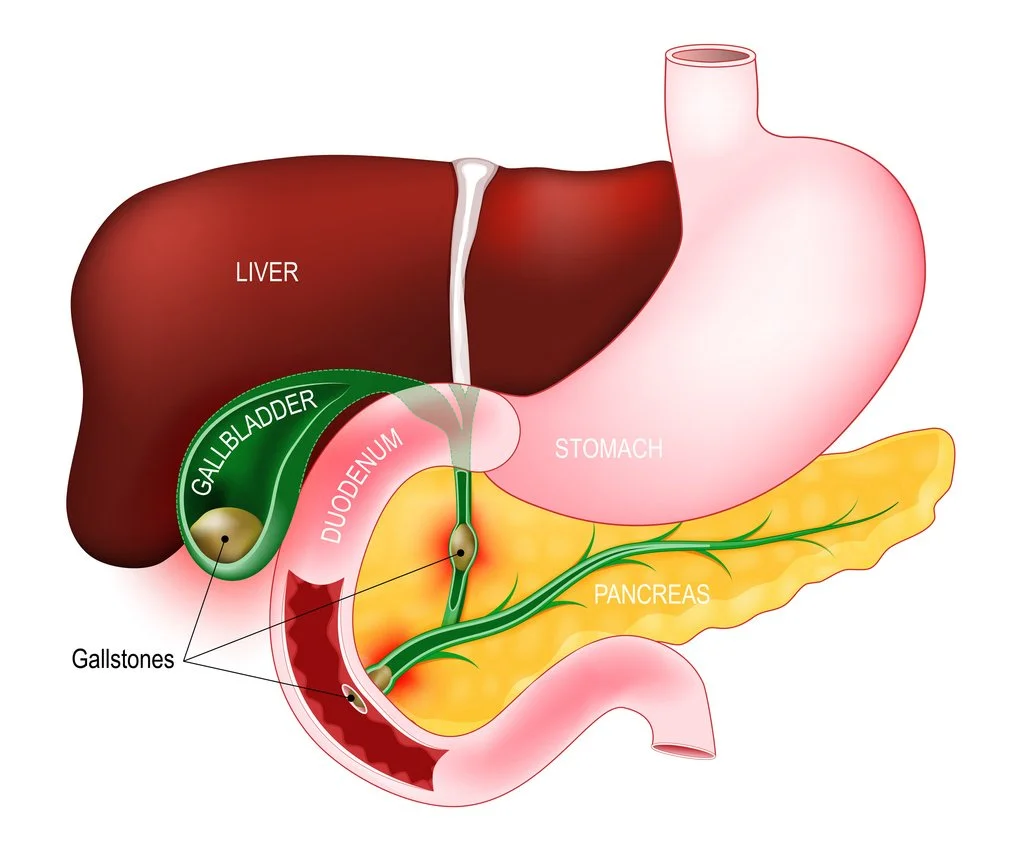
Gallstones And The Bile Duct System
Gallstones may block the gallbladder outlet or bile ducts, leading to pain, infection, jaundice, or pancreatitis.
How long does gallbladder surgery take?
Dr David Joseph performs keyhole gallbladder surgery for patients across Sydney, with most procedures taking 45–90 minutes and requiring only an overnight hospital stay. Consultations are available in Newtown and via telehealth.
It is usually performed using keyhole (laparoscopic) techniques. Patients will have an overnight hospital stay, with a relatively quick recovery compared to open surgery. Most patients return to normal activities within 1–2 weeks.
Most procedures are performed as planned elective surgery, although urgent surgery may occasionally be required for acute gallbladder inflammation or bile duct complications.
Recovery After Laparoscopic Gallbladder Surgery
Recovery from laparoscopic gallbladder surgery is typically smooth and quicker than open surgery. Most patients stay one night in hospital, with drains removed the morning after surgery if used. Sutures are dissolvable, and waterproof dressings usually remain for up to seven days. Some patients may have surgical glue applied, which generally falls off naturally approximately 10–12 days following surgery.
Patients are encouraged to walk soon after surgery to reduce the risk of complications and support recovery.
Most patients can gradually resume light activities within a week, with full recovery usually taking four to six weeks. Most patients can eat and drink soon after surgery, although rich or fatty foods are best avoided during the first week. Follow-up is typically scheduled four to five weeks after surgery.
With proper care, most people return to their normal routines with minimal long-term restrictions.
Learn more about how long gallbladder surgery takes and what to expect during recovery.
When can I eat normally after gallbladder surgery?
Most patients can return to a normal diet within 1–2 weeks after gallbladder surgery. A light, low-fat diet is recommended initially while the body adjusts. Learn more about your diet after gallbladder surgery and recovery.
Risks and Potential Complications of Gallbladder Surgery
Laparoscopic gallbladder surgery is generally safe when performed by a qualified specialist. Potential risks include bile duct injury, bile leak, retained stones in the bile duct, wound infection, bleeding, and anaesthetic complications. Rarely, further procedures such as ERCP may be required if bile duct stones are identified after surgery.
In some cases, laparoscopic surgery may need to be converted to open surgery if severe inflammation or scarring is encountered.
Dr Joseph discusses all risks during consultation to ensure patients have a full understanding before proceeding with surgery.

Need Advice About Gallbladder Surgery?
Don't wait until symptoms become severe. Early assessment can help identify the cause of your symptoms and determine whether gallbladder surgery may be beneficial.
Call 02 9565 5514 or Book Consultation Online
Same day appointments may be available
Why Choose Dr David Joseph for Gallbladder surgery in Sydney?
While laparoscopic gallbladder removal is a commonly performed procedure, safe surgery relies on precise anatomical knowledge, sound surgical judgement and extensive surgical experience to ensure safety and minimise complications.
Patients seeking a gallbladder surgeon in Sydney should choose one with fellowship training (FRACS), extensive laparoscopic experience, hospital affiliations across Sydney, and a patient-centred approach.
Dr David Joseph offers:
✓ Specialist Upper GI and General Surgery qualifications (FRACS)
✓ More than 20 years of surgical experience
✓ Extensive experience in laparoscopic (keyhole) gallbladder surgery
✓ Assessment and treatment of gallstones, biliary colic, gallbladder disease and acute cholecystitis
✓ Access to leading public and private hospitals across Sydney, located in Randwick, North Sydney, Woolloomooloo, Camperdown and Concord
✓ Consultations available in Newtown and via Telehealth
✓ Clear explanations of treatment options, recovery and expected outcomes
✓ Personalised care from consultation through to post-operative follow-up
Book a Gallbladder Surgery Consultation in Sydney
If you are experiencing symptoms of gallstones or have been advised to consider gallbladder removal, arranging a consultation with Dr David Joseph is the best first step. Early evaluation helps confirm the diagnosis, clarify your treatment options, and reduce the risk of complications.
Call 02 9565 5514 to book your appointment.
Urgent appointments are available.
Prefer to book instantly? Book your appointment online.
Gallbladder Surgery FAQs Sydney Patients Ask
-
Yes. Most people return to a normal diet and lifestyle after recovery from gallbladder removal. Very rich or fatty foods may be best avoided initially.
-
Laparoscopic gallbladder surgery usually takes 45 to 90 minutes and is performed under general anaesthetic.
-
Yes. It is a common and generally safe procedure when performed by an experienced specialist surgeon. Keyhole incisions mean faster recovery, and a lower risk of complications compared with open surgery.
-
Most patients return to light activities within a few days and fully recover within 4 to 6 weeks.
-
Gallstones usually require surgery when they cause recurrent biliary pain, inflammation, infection, pancreatitis, or bile duct obstruction. Symptomatic gallstones often recur and may lead to more serious complications if left untreated.
-
Dr Joseph performs gallbladder surgery at several private hospitals in North Sydney, Randwick, and Woolloomooloo, as well as public hospitals in Camperdown (RPA) and Concord. The hospital choice can be discussed during or following your consultation.
-
Yes. A GP or specialist referral is required for Medicare rebates and to schedule surgery. Most patients have an abdominal ultrasound and routine blood tests, including liver function tests, before surgery.
-
Most patients stay one night in hospital. Light work can often be resumed within 7–14 days, while heavy lifting and strenuous activity are usually avoided for around 4 weeks.
-
Yes, but laparoscopic surgery uses small keyhole incisions (typically 0.5–1 cm), which usually heal with minimal scarring. A larger incision may be needed only if an open approach becomes necessary.
Dr Joseph is a fellowship-trained specialist Upper GI surgeon.
Learn more about Dr David Joseph →
Learn more about Gallbladder Disease, Gallstones and Biliary Colic.
Related Surgical Services
Dr Joseph also performs:
Hernia Surgery in Sydney – laparoscopic and open repair
Bariatric (Weight Loss) Surgery in Sydney – specialist obesity surgery

