

Specialist Bariatric Surgeon In Sydney | Gastric Sleeve, Bypass & Weight Loss Surgery
Bariatric surgery is a clinically proven treatment for patients living with obesity who have not achieved sustained weight loss through diet, exercise, and medical management alone.
For appropriately selected patients, surgery can lead to significant and sustained weight loss, as well as improvement or resolution of obesity-related conditions such as type 2 diabetes, hypertension, sleep apnoea, and fatty liver disease.
The most effective procedure varies between individuals. A specialist surgical assessment is essential to determine the safest and most appropriate option based on your medical history, symptoms, and long-term goals.
Bariatric surgery includes procedures such as gastric sleeve and gastric bypass surgery, each tailored to the individual patient.
Specialist Bariatric Surgeon in Sydney
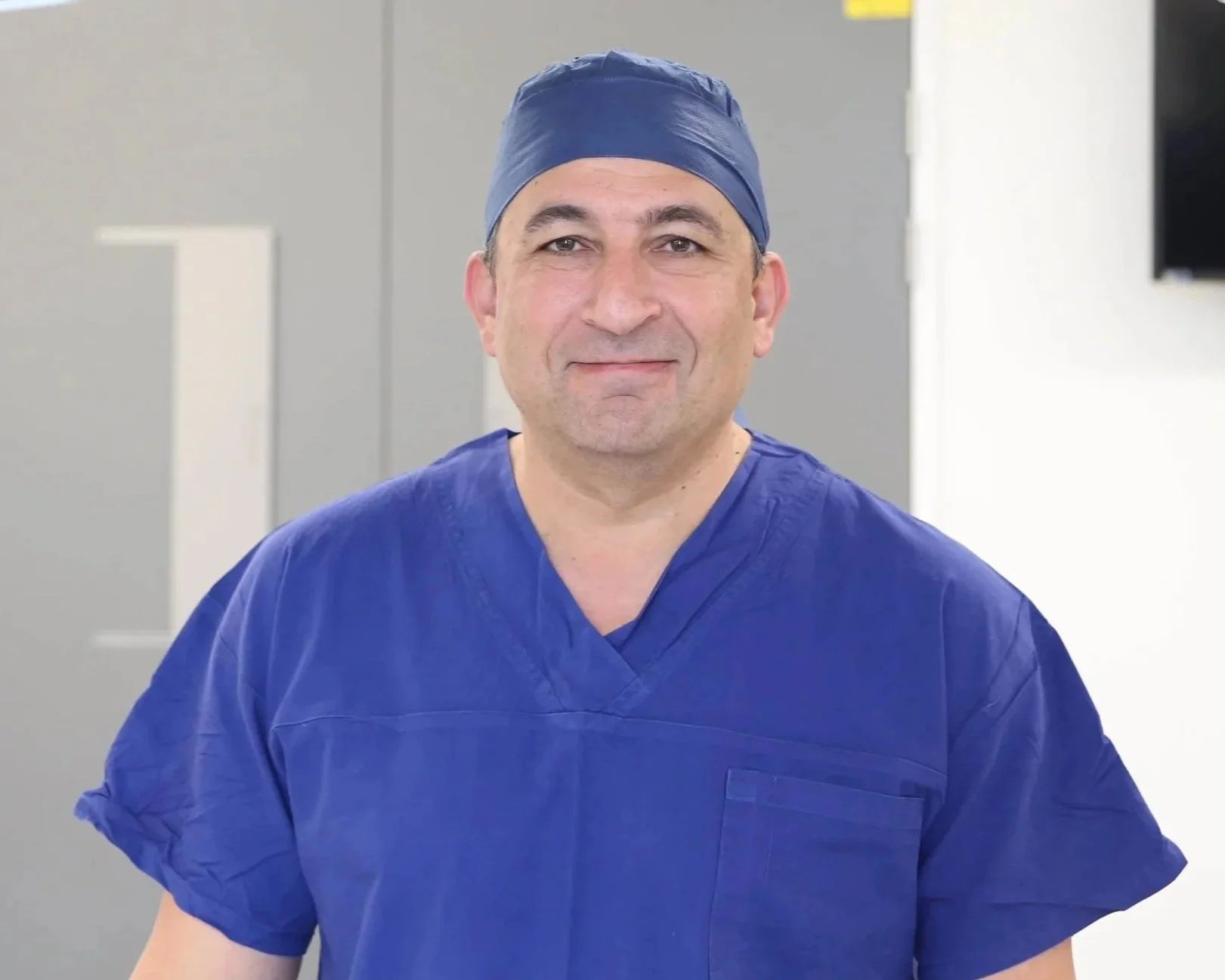
Dr David Joseph is a specialist upper gastrointestinal and laparoscopic surgeon in Sydney with extensive experience in gastric sleeve surgery, gastric bypass surgery, and complex bariatric cases.
He performs minimally invasive (keyhole) procedures with a strong focus on patient safety, long-term outcomes, and careful procedure selection.
Surgery is performed at leading private hospitals including:
Consultations are available in Newtown or via Telehealth, providing access for patients across Sydney, NSW, and Australia.
Schedule a consultation: Call 02 9565 5514.
Appointments are typically available within 1-2 weeks. Urgent consultations are available.
Who Is a Candidate for Bariatric Surgery?
Bariatric surgery may be appropriate for patients who:
Have a BMI of 35 or greater
Have a BMI of 30–34 with obesity-related medical conditions (such as type 2 diabetes, hypertension, or sleep apnoea)
Have been unable to achieve sustained weight loss through non-surgical methods
Understand the importance of long-term lifestyle changes and follow-up
Eligibility is determined during a comprehensive consultation, including medical assessment, previous weight loss history, and evaluation of obesity-related conditions.
Learn more about obesity, weight-related conditions and treatment options
Consultation and Personalised Surgical Planning
A detailed consultation is essential before proceeding with bariatric surgery.
During your consultation, Dr Joseph will:
Review your medical history and previous weight loss efforts
Assess obesity-related health conditions
Discuss your lifestyle, eating patterns, and goals
Explain suitable surgical options, including gastric sleeve and gastric bypass surgery
Outline expected outcomes, risks, and long-term commitments
All treatment decisions are individualised, with a focus on selecting the safest and most effective long-term solution.
Bariatric Surgery Options
Several procedures are available, and the most appropriate option depends on your individual circumstances.
Gastric Sleeve Surgery
A procedure that reduces stomach size to limit food intake and alter hunger hormones.
→ Learn more about Gastric Sleeve Surgery in Sydney
Gastric Bypass Surgery
A procedure that reduces stomach size and alters digestion, often recommended for patients with reflux or type 2 diabetes.
→ Learn more about Gastric Bypass Surgery in Sydney
Revision and Complex Bariatric Surgery
Some patients may require further surgery if previous weight loss procedures have not achieved the desired result, or if complications such as reflux or weight regain occur.
These cases require careful assessment and specialist surgical expertise in complex bariatric surgery to determine the safest and most appropriate approach.
How to Choose Between Gastric Sleeve and Gastric Bypass
The most appropriate procedure depends on several individual factors, including:
BMI and weight loss goals
Presence of reflux
Severity of type 2 diabetes
Previous abdominal surgery
Smoking status
Patient preference after informed discussion
A specialist assessment ensures the procedure selected is appropriate not only for initial weight loss, but for long-term health outcomes.
Considering Weight Loss Surgery?
Discuss your options with Dr David Joseph and learn whether gastric sleeve, gastric bypass or revision surgery may be appropriate for you.
Call 02 9565 5514 or Book Online
Failed Weight Loss Surgery and Revision Options
In some cases, patients may experience:
Inadequate weight loss following gastric sleeve or gastric band
Weight regain over time
Development of reflux after gastric sleeve
Complications from previous bariatric procedures
Options may include conversion to gastric bypass surgery or other tailored revision procedures following imaging and endoscopic assessment.
Revision surgery is more complex than primary procedures and requires specialist expertise in upper gastrointestinal surgery.
Why Specialist Assessment Matters
Bariatric surgery is not a one-size-fits-all treatment.
Choosing the right procedure, and avoiding the wrong one, is critical to achieving safe, sustainable long-term results.
A specialist surgeon provides:
Careful patient selection
Procedure selection based on medical factors, not trends
Experience in managing complex and revision cases
Ongoing follow-up and long-term care
Pre-Operative Preparation
Before surgery, patients follow a very low-calorie diet (e.g. Optifast) for 2–3 weeks to:
Reduce liver size
Improve surgical access and safety
Lower operative risk
Pre-operative weight loss of 5–10% is common and beneficial.
Post-Operative Recovery and Long-Term Care
Recovery varies depending on the procedure, but typically includes:
Hospital Stay
1-2 nights
Return to Activity
Light activity: 2-3 days
Return to work: 1-2 weeks (depending on job type)
Vigorous exercise: 3-4 weeks
Diet Progression
Week 1: Liquids
Weeks 2-4: Pureed foods
Week 4+: Soft solids, progressing to a balanced diet
Long-term follow-up and dietary support are essential for optimal outcomes.
Wound Care
Small keyhole incisions are closed with dissolving stitches, with surgical glue or waterproof dressings applied to the skin. The glue or dressing remain in place for 10-14 days.
Risks and Potential Complications
All surgery carries risks. Bariatric surgery is generally safe when performed by an experienced specialist, but potential complications may include:
Bleeding
Infection
Leak from staple line
Nutritional deficiencies
Reflux
Need for further surgery
All risks are discussed in detail during consultation.
Structured Bariatric Program and Support
For structured bariatric programs, multidisciplinary care, and ongoing support, visit BodyFree Weight Loss Clinic.
Related Upper GI Surgical Services
Dr Joseph also provides:
Gallbladder Surgery in Sydney – laparoscopic cholecystectomy
Hernia Surgery in Sydney – inguinal, ventral and complex repairs
FAQs – Weight Loss Surgery in Sydney
-
Weight loss varies. Gastric sleeve patients typically lose 60–70% of excess weight, while gastric bypass patients may lose 70–80%. Results depend on lifestyle adherence and follow-up care.
-
Many patients experience significant improvement or remission of type 2 diabetes following bariatric surgery.
-
Most patients experience reduced hunger due to hormonal changes, particularly after sleeve gastrectomy surgery.
-
Many private health insurance policies cover bariatric surgery after appropriate 12 month waiting periods. You will likely need to have a top level GOLD cover policy.
-
Often you will, yes. Lifelong supplementation may be necessary, and periodic blood monitoring are essential.
-
Most patients resume light activities within a few days and return to work within 1–2 weeks, depending on job type.
-
Bariatric surgery is typically recommended for patients with a BMI of 35 or higher, or a BMI of 30–34 with obesity-related health conditions such as type 2 diabetes. Final eligibility is determined following specialist assessment.
-
Gastric sleeve reduces stomach size, while gastric bypass also changes digestion. The most appropriate option depends on individual health factors.
-
In some cases, gastric bypass may be recommended for patients with significant reflux, particularly if symptoms worsen after gastric sleeve.
Book a Bariatric Surgery Consultation in Sydney
If you are considering bariatric surgery, a specialist consultation is the first step.
Early assessment allows for personalised planning and safe preparation for long-term success.
Call 02 9565 5514 or request an appointment online.
Urgent appointments are available.

Learn more about the broader bariatric program offered by Dr Joseph at the BodyFree Weight Loss Clinic.
Dr Joseph is a fellowship-trained specialist Upper GI surgeon.
Learn more about Dr David Joseph →

