

About Dr David Joseph
Specialist Upper GI, hepatobiliary, Bariatric Surgeon, Gallbladder Surgeon, and Hernia Surgeon in Sydney
Dr David Joseph is a highly trained, specialist Upper GI (Upper Gastrointestinal), hepatobiliary and general surgeon in Sydney, with expertise in gallbladder, hernia and bariatric surgery. He specialises in laparoscopic procedures for both benign and malignant conditions of the Upper GI tract, including the liver, stomach, and pancreas.
He operates at leading public hospitals, Royal Prince Alfred Hospital and Concord Hospital, and private hospitals Prince of Wales Private Hospital, Mater Hospital, East Sydney Private Hospital.
He has provided comprehensive care for bariatric patients since 2011, performing weight loss surgery procedures:
Complex revision bariatric surgery for obesity management
Dr Joseph also treats common benign conditions using advanced laparoscopic techniques, including:
Dr Joseph combines extensive surgical expertise with a patient-centred approach, offering minimally invasive procedures wherever possible to reduce recovery time and improve outcomes.
Conditions Treated By Dr David Joseph
Dr David Joseph provides specialist assessment and treatment for:
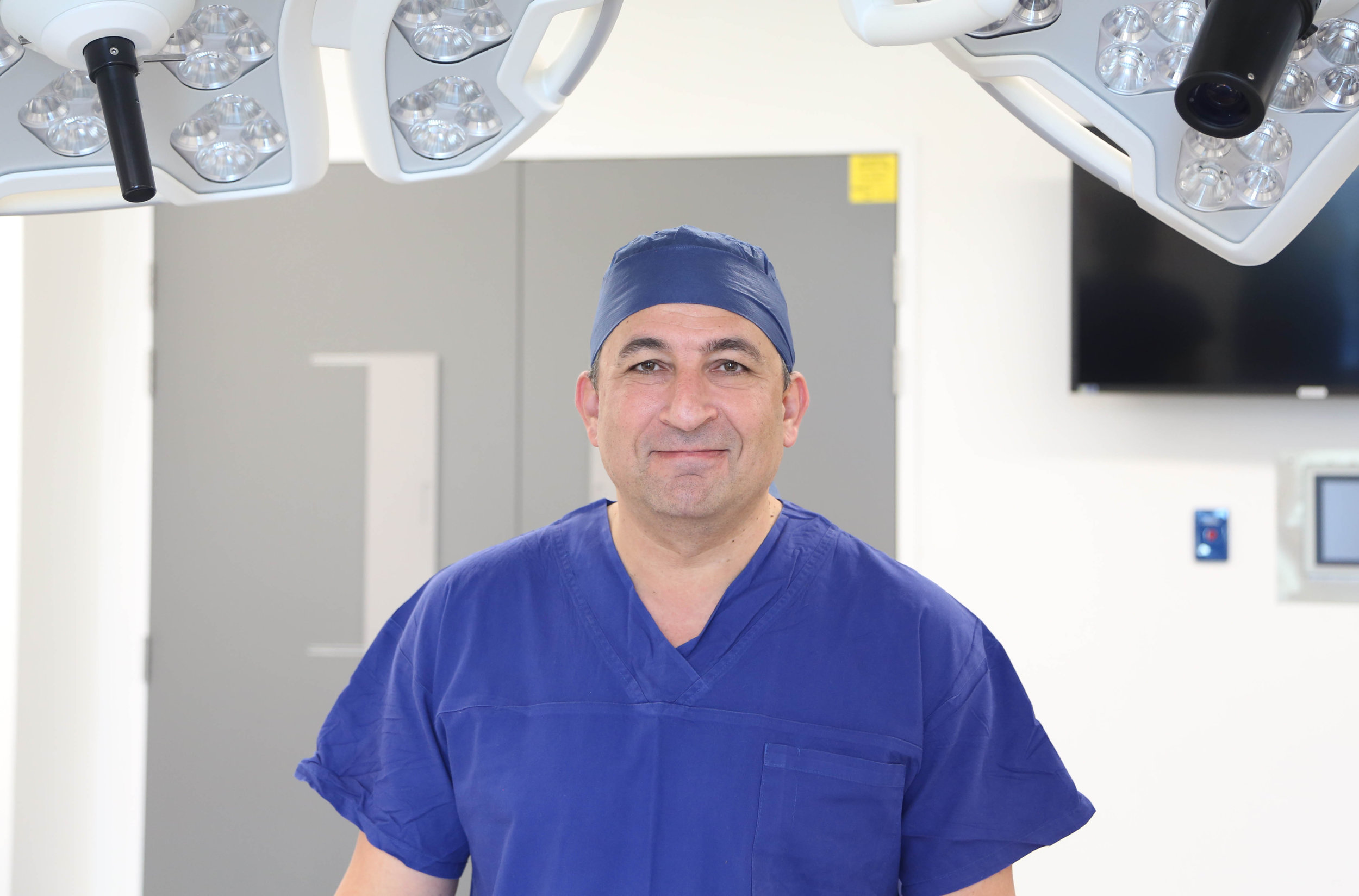
Dr Joseph’s Education and Training
Dr Joseph studied Medicine at the University of Sydney, earning his MBBS in 1996. He trained in General Surgery at Royal Prince Alfred and Concord Hospitals in Sydney and achieved Fellowship of the Royal Australasian College of Surgeons (FRACS) in 2004.
He completed further surgical oncology and hepatobiliary training in Sydney and pursued advanced fellowships overseas, including:
Liver Transplantation at Royal Prince Alfred Hospital (2006)
Transplantation Surgery at the Hospital of the University of Pennsylvania (2007), gaining experience in complex hepatobiliary and bariatric surgery
Where does Dr Joseph Perform Surgery?
Visiting Medical Officer, Royal Prince Alfred Hospital, Sydney (since 2008)
Visiting Medical Officer, Concord Repatriation General Hospital (since 2010)
Visiting Medical Officer, Mater Hospital, North Sydney
Visiting Medical Officer, Prince of Wales Private Hospital, Randwick
Visiting Medical Officer, East Sydney Private Hospital, Woolloomooloo
Head of Department of Gastrointestinal Surgery, Mater Hospital, North Sydney (2013–2019)
Why Choose Dr David Joseph?
Specialist Upper GI and General Surgeon
Extensive experience in gallbladder surgery, hernia repair and reflux surgery
Expertise in bariatric and revision bariatric surgery
Advanced laparoscopic (keyhole) surgical techniques
Experienced in the management of complex benign and malignant liver, pancreas and adrenal conditions
Comprehensive care from consultation through recovery
Operating at Prince of Wales Private Hospital, Mater Hospital, East Sydney Private Hospital, Royal Prince Alfred Hospital and Concord Hospital
Urgent appointments available for suitable referrals

Experienced Surgical Care, Personalised To You
Whether you need advice, a second opinion or are considering surgery, Dr David Joseph provides expert assessment and tailored treatment plans to help you move forward with confidence.
Call 02 9565 5514 or Book Online.
Urgent appointments are available.
Frequently Asked Questions About Dr David Joseph
What Is An Upper GI Surgeon?
An Upper Gastrointestinal (Upper GI) Surgeon specialises in conditions affecting the oesophagus, stomach, gallbladder, liver, pancreas and upper digestive tract. Dr David Joseph provides treatment for gallstones, gallbladder disease, reflux, hiatus hernia, obesity and other Upper GI conditions.
How can I book a consultation with Dr David Joseph in Sydney?
You can book a consultation by calling our clinic at 02 9565 5514 or completing the online enquiry form. Our reception team will help schedule a time that suits you. Early booking is recommended, as Dr Joseph’s Sydney consultations can fill quickly.
What should I expect at my first appointment with Dr Joseph?
At your first appointment, Dr Joseph will review your medical history, discuss your symptoms or concerns, and outline personalised treatment options. He will provide a clear plan tailored to your needs, including minimally invasive or complex surgical approaches where appropriate.
Does Dr Joseph perform minimally invasive (keyhole) surgery?
Yes. Dr Joseph specialises in laparoscopic (keyhole) surgery, which is minimally invasive, often resulting in smaller scars, less pain, and faster recovery. He uses keyhole techniques for procedures such as gallbladder surgery, hernia repair, and weight loss surgery in Sydney.
Where does Dr Joseph perform surgery in Sydney?
Dr David Joseph specialises in Upper GI, hepatobiliary, bariatric, gallbladder and hernia surgery and operates at several leading Sydney hospitals, including:
Royal Prince Alfred Hospital, Camperdown
Mater Hospital, North Sydney
Prince of Wales Private Hospital, Randwick
East Sydney Private Hospital, Woolloomooloo
What types of procedures does Dr Joseph specialise in?
Dr Joseph provides both laparoscopic (keyhole) and open surgery procedures, including:
Laparoscopic / Keyhole Surgery
Hernia Repair Surgery (including inguinal, incisional & ventral and umbilical hernias)
Laparoscopic Weight Loss Surgery (Sleeve Gastrectomy, Gastric Bypass, SADI-S)
Revision Bariatric Surgery (after Gastric Sleeve, Lap Band, ESG, Gastric Balloon)
Open / Complex Surgery
Complex Hepatobiliary / Liver Surgery
Surgery on the Pancreas, Stomach, Small Intestine, Liver, and Spleen
Liver Transplantation
Is Dr Joseph experienced with complex or revision surgeries?
Yes. Dr Joseph has extensive experience with complex hepatobiliary procedures, bariatric revision surgeries, and challenging hernia or gallbladder cases, ensuring safe and effective outcomes for patients in Sydney.
What are Dr Joseph’s credentials?
Dr Joseph is a FRACS‑qualified General Surgeon with subspecialty expertise in bariatric, hepatobiliary, and complex abdominal surgery. He is recognised for advanced laparoscopic techniques and is affiliated with leading Sydney hospitals.
Who is suitable for surgery with Dr Joseph?
Dr Joseph treats patients of all ages with conditions including gallbladder disease, hernias, reflux, and obesity-related complications. Each patient receives an individual assessment to determine the safest and most effective surgical plan.

